Have questions about our glass-lined equipment services or maintenance procedures? Browse through our most common inquiries below.
Spark Testing: High-voltage testing. Thickness Evaluation: Non-destructive ultrasonic thickness testing. Visual Mapping: Meticulous examination of the glass surface.
For standard operating conditions, a comprehensive health check-up is recommended every 6 to 12 months.
Yes, most localized glass-lining damage can be repaired directly on-site to minimize downtime. We use corrosion-resistant materials such as Tantalum discs, Tantalum plates, Tantalum plugs, and high-performance PTFE sleeves.
A Tantalum plug is preferred for small, localized defects or pinholes (up to 15-20 mm).
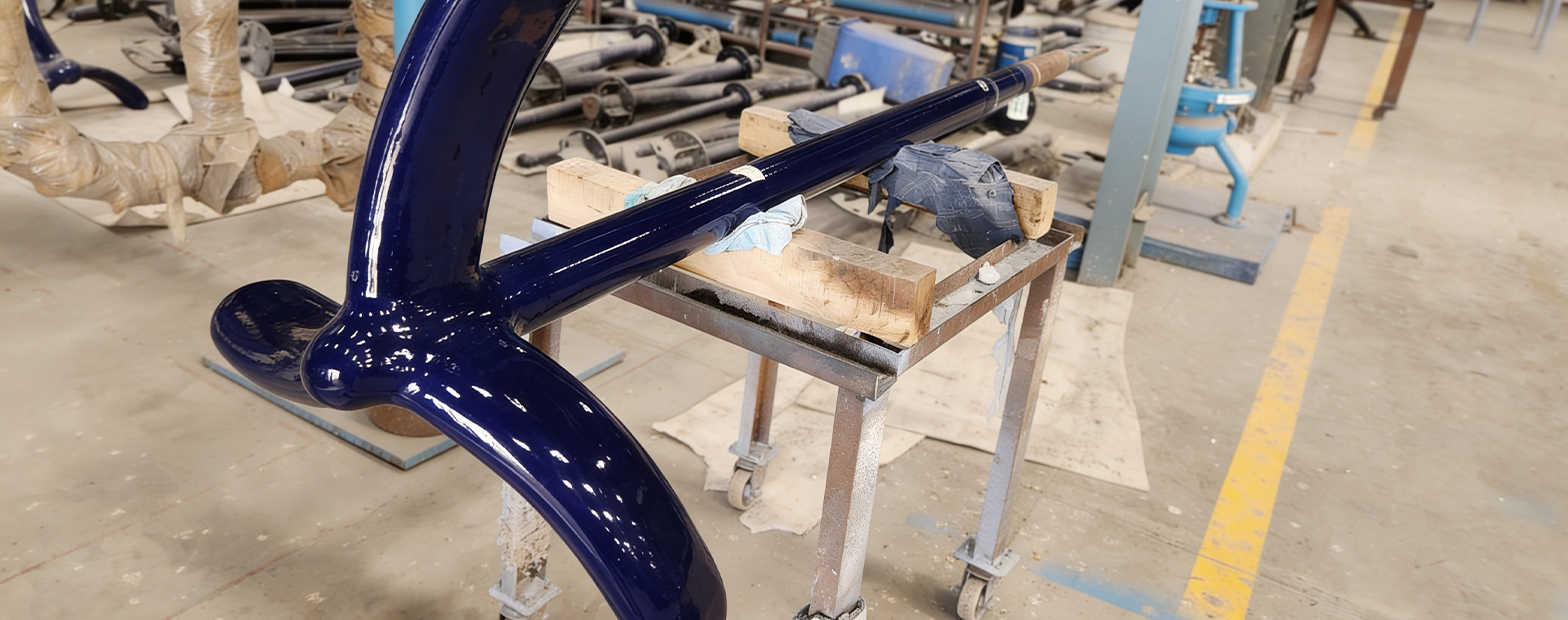
We provide comprehensive re-glass lining services for all critical accessories, including: Agitators (Anchor, Turbine, Propeller, and hydrofoil designs) Thermowells and Baffles (including beaver-tail baffles) Manhole and Handhole Covers Flange Pad Plates and Protection Rings Valves (Flush Bottom Valves, outlet valves, and control plugs)
Re-glass lining is a highly cost-effective and sustainable option. It restores the accessory's corrosion resistance and surface smoothness to original factory standards at a fraction of the cost of new equipment, while also eliminating the long manufacturing lead times associated with new components.
Precision physical mounting and leveling of the drive support structure on the reactor nozzle. Laser alignment of the motor, gearbox, coupling, and agitator shaft. Proper installation and testing of mechanical seals or stuffing boxes to prevent gas/vapor leaks. Dynamic vibration analysis, alignment checks, and trial runs under load to ensure stable operation.
Slight misalignments cause radial forces that lead to premature wear of the mechanical seal and gearbox bearings. Over time, shaft deflection can cause the agitator to vibrate excessively or come into contact with the reactor wall, chipping the glass lining and causing catastrophic equipment failure.
Glass-lined equipment is highly susceptible to mechanical shock, bending stress, and torsion. During shifting, we construct custom heavy-duty wooden support frames to cradle the vessel, protect all glassed nozzles with wooden caps, isolate lifting straps/chains from direct contact with the shell using rubber padding, and coordinate precision rigging to prevent sudden impacts.
The main challenges are ensuring exact verticality and column alignment while avoiding thermal and mechanical stresses on the glass lining.
Our technical team is ready to provide the specific information you need.